



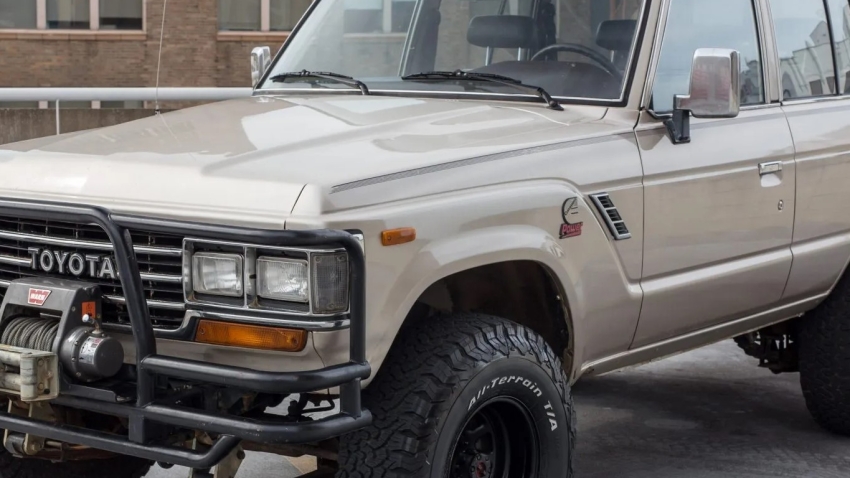
FJ62: The Legendary Toyota SUV That Defined Rugged Reliability
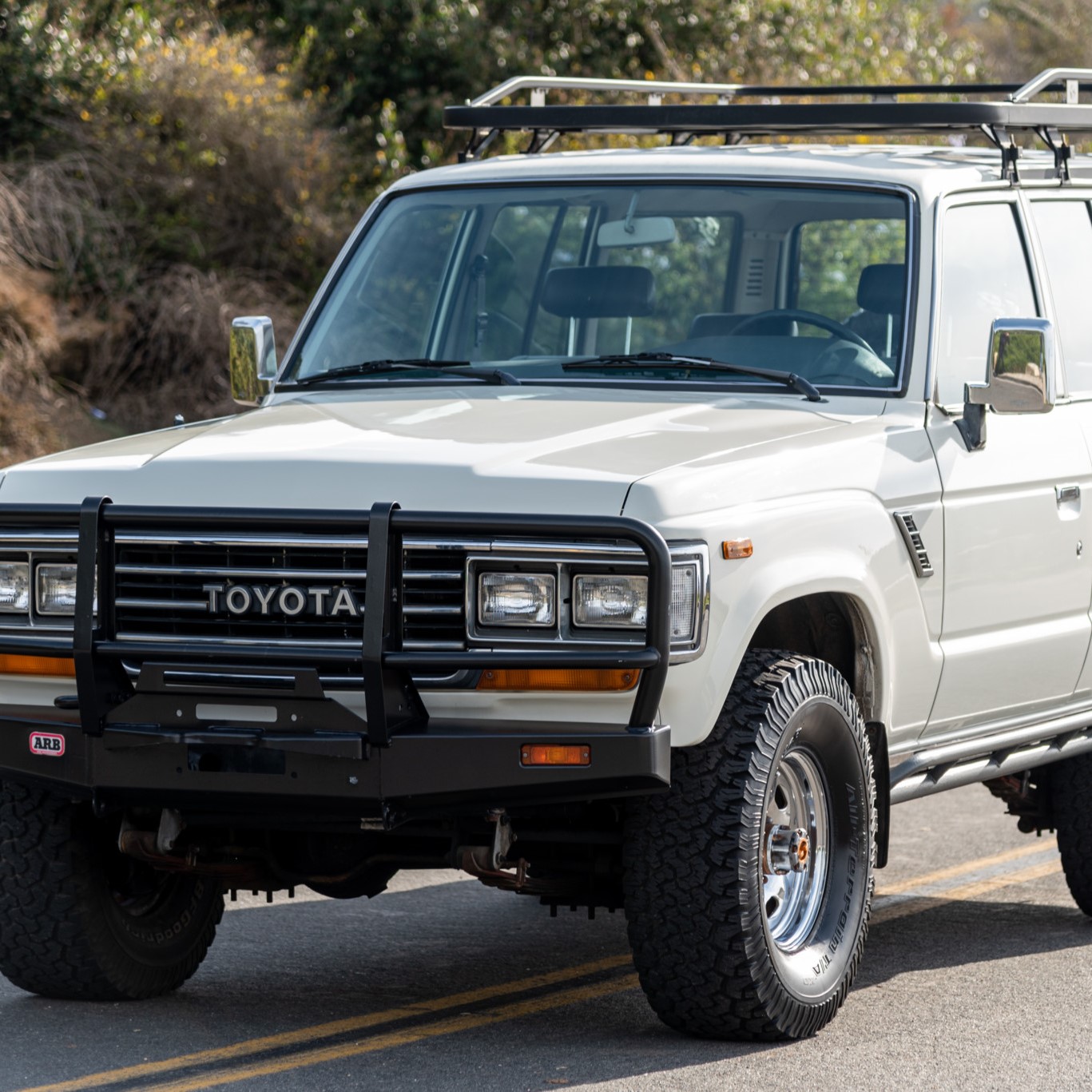
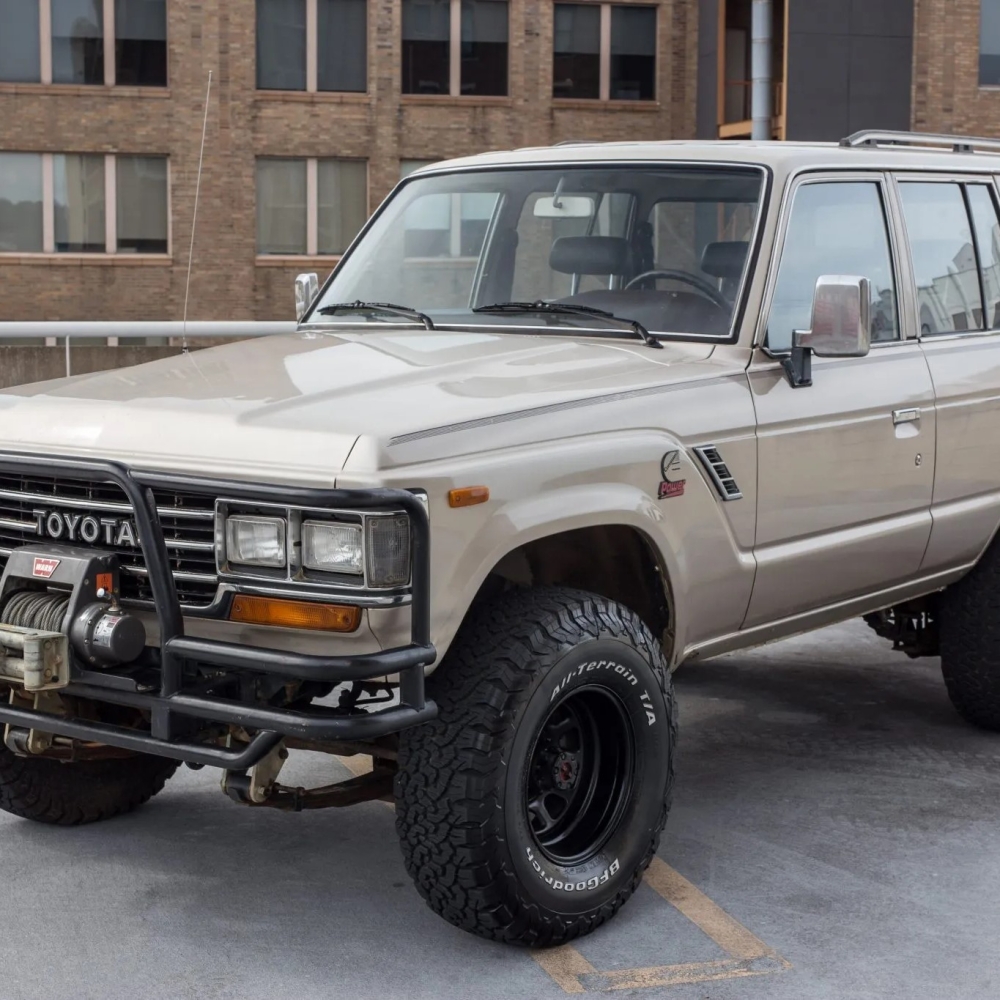
The FJ62 has earned a well-deserved reputation as one of the most dependable SUVs ever built. Produced by Toyota from 1984 to 1990, this full-size four-wheel-drive vehicle became a global favorite for its durability, simplicity, and off-road prowess. Whether navigating rocky trails, desert dunes, or muddy forest roads, the FJ62 consistently delivered performance without compromise. Its boxy silhouette, upright stance, and rugged fender flares make it instantly recognizable even today. Enthusiasts around the world continue to seek out these classic trucks for restoration, overlanding, and daily use.
Moreover, the FJ62 was designed with longevity in mind. Unlike modern vehicles packed with complex electronics, it relies on mechanical systems that are easy to understand and repair. This simplicity makes it ideal for remote travel where breakdowns can’t wait for service centers. With solid front and rear axles, leaf-spring suspension, and a robust ladder frame, it handles extreme conditions with ease. Because of its proven track record, the FJ62 remains a top choice among adventure seekers and vintage SUV collectors. Therefore, understanding its history, features, and enduring appeal helps explain why it still commands attention decades later.
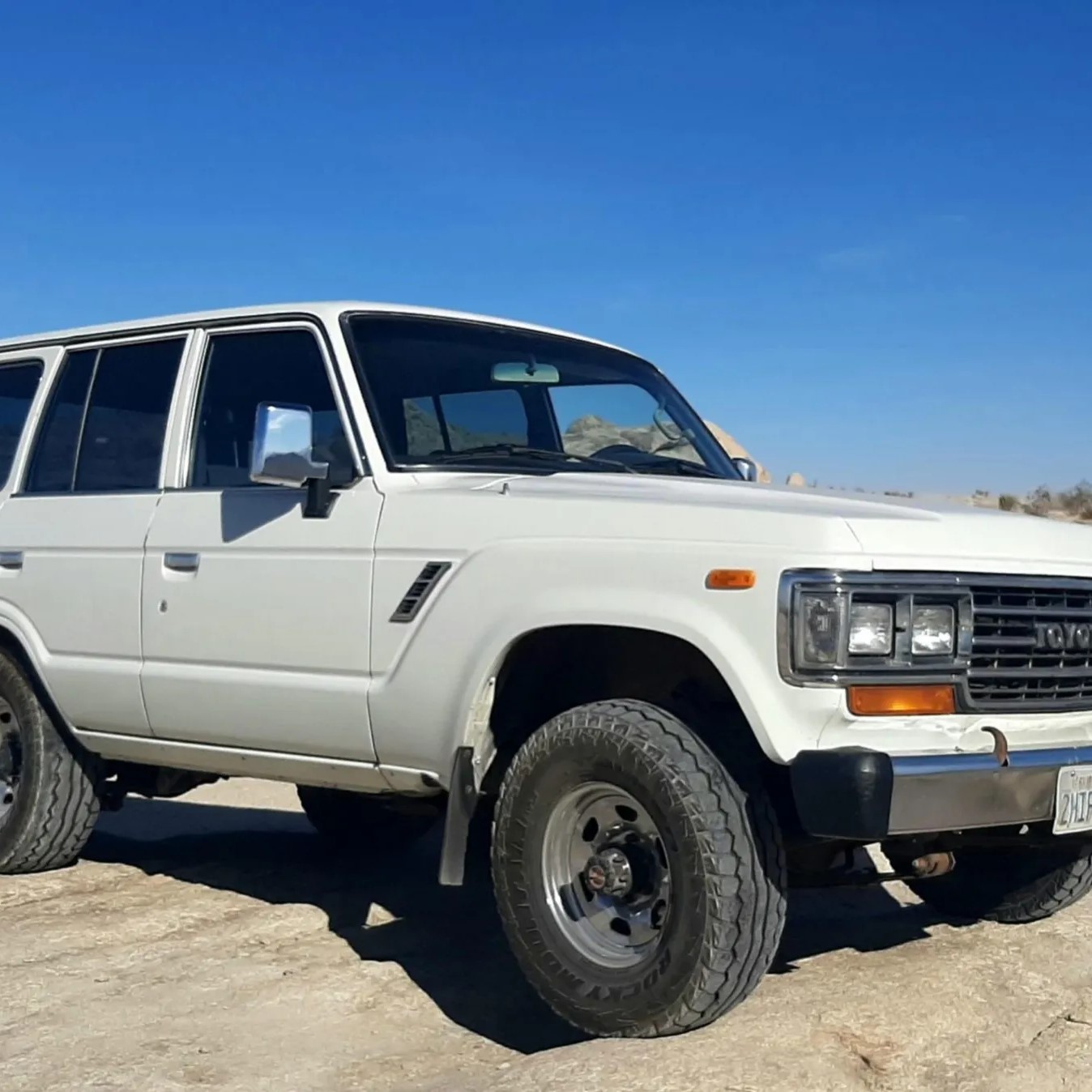 Why the FJ62 Stands Out Among Classic 4×4 Vehicles
Unmatched Durability and Mechanical Simplicity
One of the biggest reasons the FJ62 earns respect is its straightforward engineering. It uses a carbureted 4.0-liter inline-six engine known as the 2F. This powerplant produces modest horsepower but delivers strong low-end torque. As a result, it climbs steep grades and powers through sand with confidence. Also, the 4-speed manual transmission shifts smoothly and holds up under heavy loads.
Additionally, the transfer case offers high and low range gearing. Drivers switch between them using a floor-mounted lever. This gives direct control over traction and speed. Low range allows crawling over obstacles at just a few miles per hour. High range supports stable highway cruising.
The chassis uses a body-on-frame construction. This design increases strength and allows for heavy-duty modifications. Many owners add larger tires, winches, and roof racks without compromising integrity.
Brakes are drum-style in the rear and hydraulic discs in the front. While not as advanced as modern ABS systems, they provide reliable stopping power when maintained properly. Brake components are widely available and inexpensive to replace.
Cooling efficiency matters in hot climates. The FJ62’s large radiator keeps temperatures stable during long drives. Upgraded fans or shrouds improve performance further.
Because of minimal electronics, electrical issues are rare. Wiring harnesses are simple and accessible. Fuses and relays follow clear layouts. Even novice mechanics can troubleshoot problems quickly.
With all these traits, the FJ62 proves that less complexity often means greater reliability.
Key Features
Factory Specifications and Standard EquipmentToyota equipped the FJ62 with practical features suited for work and adventure. The standard wheelbase measures 112 inches. This provides stability on uneven terrain while maintaining maneuverability. Five-lug steel wheels support aggressive all-terrain tires. Some models came with hubcaps, though most owners prefer exposed rims for durability.
Inside, seating accommodates up to eight people across three rows. Front bucket seats offer basic padding and lateral support. The middle bench fits three adults comfortably. The rear jump seat works best for children or short trips. Cloth upholstery resists wear and stains better than leather.
Climate control includes a manually operated heater and defroster. No factory air conditioning existed until later production years. However, many units now have retrofitted AC systems for improved comfort.
Instrumentation is simple but effective. Gauges monitor fuel level, oil pressure, water temperature, and voltage. Warning lights indicate charging system faults or brake issues. The speedometer reads up to 85 mph—more than enough for off-pavement needs.
Exterior lighting includes round headlights, side markers, and tail lamps. Amber turn signals stand out clearly in dust or fog. Heavy-duty bumpers protect both ends during trail contact.
A sliding rear window improves ventilation. Roof vents release heat buildup inside the cabin. Rear doors open wide for easy loading and passenger access.
These factory choices reflect a focus on function over luxury. Every feature serves a purpose.
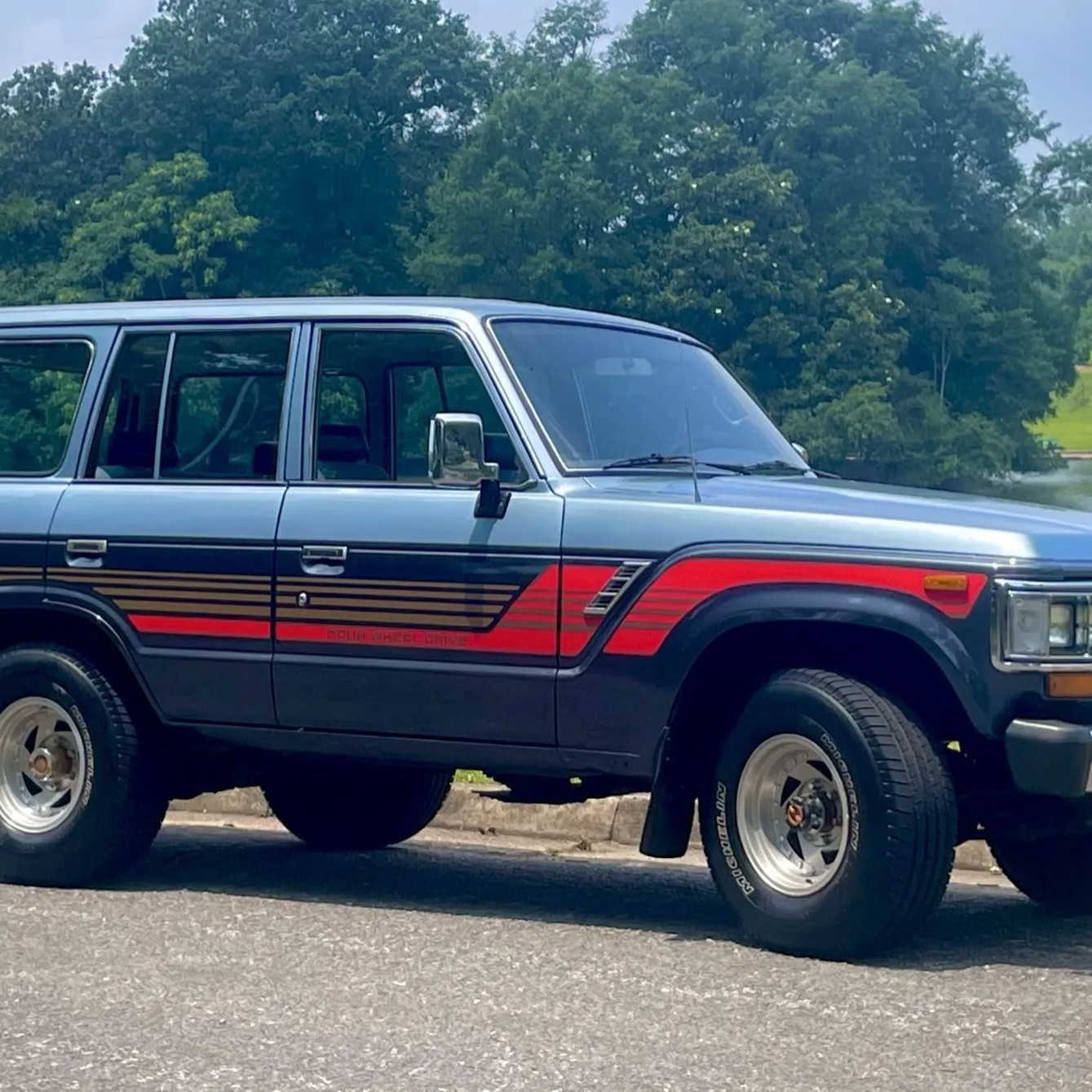 How the FJ62 Became a Global Favorite Across Continents
From Africa to Australia, Asia to North America
The FJ62 gained popularity far beyond Japan, its country of origin. In Africa, it served as a go-to vehicle for safari guides, aid workers, and park rangers. Its ability to run on poor fuel and withstand extreme heat made it ideal for remote regions. Mechanics could fix most issues with basic tools and local parts.
In Australia, farmers and miners relied on the FJ62 for station duties and outback transport. Long distances between towns required trustworthy machines. Breakdowns could be life-threatening. The FJ62’s consistent operation gave drivers peace of mind.
Southeast Asian countries like Indonesia and the Philippines used them for public transportation. Known locally as “jeepneys,” modified versions carried passengers through mountainous areas. Their high ground clearance prevented getting stuck on unpaved roads.
North American buyers discovered the FJ62 through gray-market imports. Smuggled units arrived before official sales began. Once recognized for their toughness, demand surged. Today, thousands remain registered across the U.S. and Canada.
Middle Eastern militaries and border patrols also adopted the model. Sand resistance and cooling efficiency mattered in desert environments. Armed forces added gun mounts and reinforced suspensions.
Even in snowy northern climates, the FJ62 performs reliably. Owners install snow tires and block heaters. The engine starts easily in sub-zero temperatures when properly maintained.
This worldwide adoption shows how versatile the FJ62 truly is. It thrives in vastly different landscapes and cultures.
Restoring and Maintaining for Long-Term Use
Tips for Keeping a Classic SUV Running Strong
Restoring an FJ62 requires patience and attention to detail. Start with a thorough inspection. Check for rust underneath the frame, wheel wells, and floorboards. Surface rust can be treated. Structural damage may need professional repair.
Next, evaluate the engine condition. Look for oil leaks, smoke, or knocking noises. Compression tests reveal internal health. Rebuild or replace if necessary. Many choose to upgrade to the 3F-E engine for better fuel efficiency.
Transmission and transfer case fluids should be changed regularly. Use high-quality gear oil recommended by Toyota. Inspect seals and gaskets for wear. Leaks lead to overheating and failure.
Suspension components degrade over time. Replace worn bushings, shackles, and leaf springs. Upgrade to heavier-duty kits if planning off-road adventures. Shocks should dampen bumps without bouncing excessively.
Electrical systems benefit from cleaning and testing. Corrosion builds up on terminals and connectors. Clean with a wire brush and dielectric grease. Test lights, gauges, and switches before long trips.
Tires must match your driving style. All-terrain treads handle dirt and pavement well. Mud-terrain options grip loose surfaces but increase road noise. Ensure proper inflation and alignment.
Keep spare parts on hand. Common replacements include alternators, starters, and water pumps. Stocking filters, belts, and hoses prevents roadside delays.
With regular care, the FJ62 can last another 30 years. Preventive maintenance pays off in reliability.
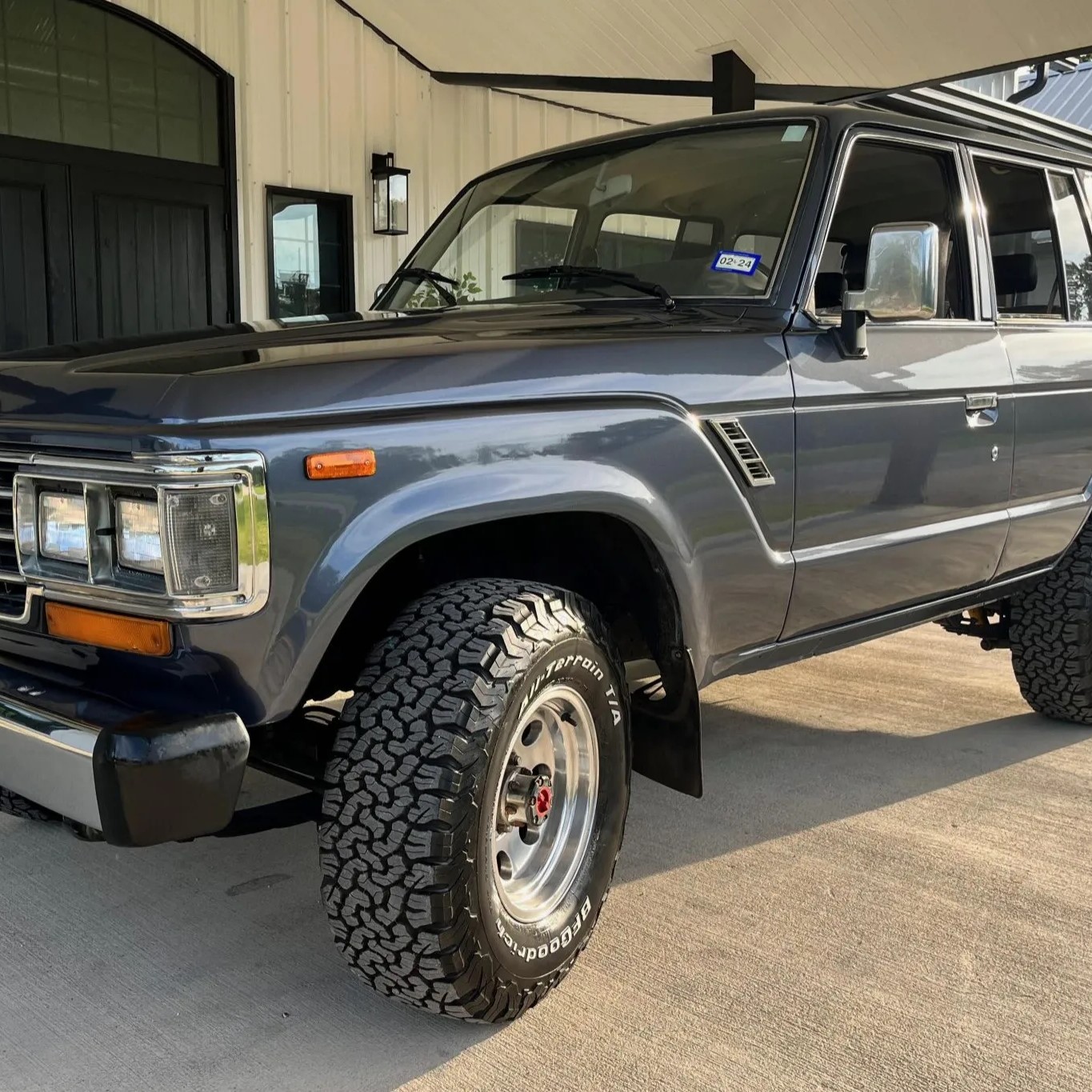 Modern Upgrades
Adding Comfort and Performance Without Losing AuthenticityWhile originality has charm, some upgrades improve daily usability. Installing power steering reduces effort during parking and trail maneuvers. Kits bolt directly onto existing frames. Most retain the factory look.
Disc brake conversions for the rear axle increase stopping power. Combined with new master cylinders, they deliver shorter braking distances. Stainless steel lines resist corrosion.
LED lighting upgrades enhance visibility. Brighter headlights help night driving. LED taillights respond faster than incandescent bulbs. They also draw less power.
Sound systems can be modernized discreetly. Install Bluetooth receivers and amplifiers hidden under seats. Keep vintage speaker grilles for aesthetic consistency.
GPS navigation mounts within view but don’t clutter the dash. Solar-powered trackers allow location monitoring during expeditions.
Some owners swap carburetors for electronic fuel injection (EFI) systems. These improve cold starts, fuel economy, and throttle response. EFI kits integrate cleanly with the stock hood.
Seat reupholstery adds comfort. New foam cushions reduce fatigue on long rides. Choose durable fabrics like marine-grade vinyl.
Lift kits raise ground clearance. Fit larger tires without rubbing. Combine with upgraded shocks for balanced ride quality.
These improvements blend tradition with modern expectations.
 Frequently Asked Questions
Is the FJ62 street legal in the U.S.?
Yes. Vehicles 25 years or older qualify under the NHTSA exemption. You can register them without meeting current emissions standards.
Can I import an FJ62 legally?
Only if it’s 25 years old or more. Otherwise, it violates federal safety regulations. Verify age and compliance before shipping.
What kind of fuel economy does it get?
Typically 12–16 mpg depending on driving habits. Aerodynamics and tire size affect consumption.
Are replacement parts easy to find?
Yes. Aftermarket suppliers offer nearly every component. Online communities share sources and tips.
Does it require special maintenance?
Not really. Follow routine oil changes, fluid checks, and inspections. Address rust early to prevent spread.
How much does a restored FJ62 cost?
Prices vary widely. Clean examples sell for 15,00030,000. Fully customized builds exceed $50,000.
 Final Thoughts
The FJ62 continues to inspire admiration and loyalty among SUV enthusiasts worldwide. Its timeless design, unmatched durability, and off-road capability set it apart from modern alternatives. While newer vehicles offer advanced tech and comfort, few match the raw dependability of the FJ62. Whether used for overlanding, restoration projects, or family adventures, it remains a trusted companion.
In conclusion, owning an FJ62 means joining a passionate community dedicated to preserving automotive excellence. It represents freedom, resilience, and self-reliance. And as more people rediscover the value of simple, rugged machines, the legacy of the FJ62 grows stronger. Whether you’re restoring one or dreaming of your first purchase, the journey begins with appreciation for what this iconic SUV truly offers. Ultimately, the FJ62 isn’t just a vehicle—it’s a statement of independence and adventure that will never fade.