


Why the 300ZX 2+2 Remains a Legend Among JDM Sports Cars
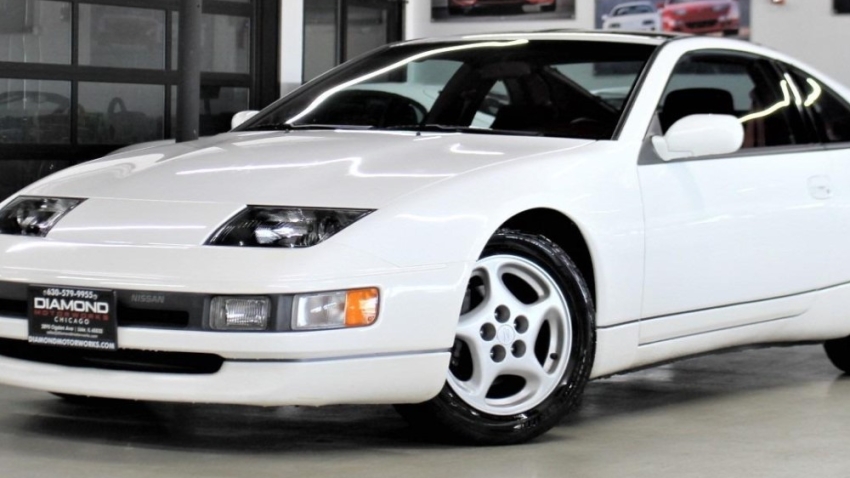
The Nissan 300ZX 2+2 remains one of the most celebrated grand tourers ever built by a Japanese automaker. With its sleek curves, powerful engine, and balanced handling, this model stands out in automotive history. Enthusiasts often praise the 300ZX 2+2 for combining performance with practicality. Unlike many sports cars of its era, it offers rear seating—albeit compact—for occasional use.
Moreover, the “2+2” designation refers to its unique interior layout. Two front seats provide full comfort while the rear seats suit children or short trips. This design choice made the 300ZX 2+2 appealing to drivers who wanted speed without sacrificing versatility. As a result, it carved a niche between pure sports cars and luxury coupes. Even today, collectors seek out well-maintained models. Because of this lasting demand, the 300ZX 2+2 continues to influence car culture worldwide.
 Why the 300ZX2+2 Stands Out Among Classic Japanese Sports Cars
Many vehicles from the 1980s and 1990s have faded into obscurity. However, the 300ZX 2+2 defied that trend through innovation and style. It was not just another fast coupe. Instead, it offered advanced engineering wrapped in elegant bodywork. Drivers appreciated its refined ride quality and strong acceleration.
Additionally, the 300ZX 2+2 competed with European GTs despite its lower price point. Its V6 engine delivered smooth power delivery and high-revving excitement. At the same time, modern amenities like power windows, climate control, and premium audio elevated comfort. These features helped attract buyers looking for more than raw performance. Therefore, the 300ZX 2+2 bridged the gap between exotic flair and everyday usability.
Engineering Excellence Behind the 300ZX 2+2 Chassis and Suspension
Underneath its glossy exterior, the 300ZX 2+2 featured a rigid chassis designed for stability at high speeds. Engineers used a steel unibody construction that enhanced structural integrity. This foundation improved handling precision and reduced flex during cornering.
Furthermore, the suspension system combined independent front and rear setups. Most models included struts up front and multi-link geometry in the back. These components worked together to absorb road imperfections smoothly. Also, some versions offered electronic damping controls. Drivers could adjust firmness based on driving conditions. Consequently, the 300ZX 2+2 handled both city streets and winding roads with confidence.
Performance Capabilities of the 300ZX2+2 Engine Options
Power came from Nissan’s renowned VG30DETT engine in twin-turbo form. This 3.0-liter V6 produced impressive output for its time. Turbocharging allowed rapid throttle response and strong mid-range torque. As a result, the 300ZX 2+2 accelerated quickly without hesitation.
Naturally aspirated variants were also available. While less aggressive, they provided linear power delivery ideal for relaxed cruising. Both engines paired with either a five-speed manual or four-speed automatic transmission. Manual gearboxes gave enthusiasts greater control over performance. Automatics, meanwhile, added convenience for daily driving.
Fuel injection systems ensured efficient combustion and reliable starts. Cooling systems managed heat effectively, even under sustained loads. Thus, whether accelerating on highways or navigating mountain passes, the 300ZX 2+2 performed consistently. Its blend of speed and refinement set it apart from rivals.
Interior Design and Comfort Features in the 300ZX 2+2
Step inside the 300ZX 2+2, and you’ll notice a driver-focused cockpit. The dashboard wraps around the steering wheel, placing controls within easy reach. Gauges are large and clearly marked, reducing distraction while driving. Materials feel solid and durable, reflecting Nissan’s attention to detail.
Seats offer firm support with enough cushioning for long drives. Leather upholstery appeared on higher trims, adding a touch of luxury. Rear passengers benefit from limited legroom but gain access to vents and cup holders. Trunk space is modest but sufficient for weekend luggage.
Sound insulation keeps cabin noise low, enhancing conversation and music clarity. Cruise control, power mirrors, and tilt-adjustable steering improve ergonomics. Overall, the interior balances sportiness with livability. Because of these thoughtful touches, the 300ZX 2+2 remains comfortable even by modern standards.
 How the 300ZX2+2 Compares to Other Z-Car Generations
When compared to earlier Z-cars, the 300ZX 2+2 represents a major evolution. Previous models like the 240Z emphasized simplicity and lightweight agility. In contrast, the 300ZX 2+2 embraced technology and comfort. It weighed more but offered superior refinement.
Later Z models, such as the 350Z and 400Z, returned to minimalist roots. They prioritized driving engagement over luxury. Yet, none matched the 300ZX 2+2’s combination of speed, tech, and seating flexibility. For example, newer Zs dropped the 2+2 layout entirely. This shift appealed to purists but alienated families or those needing extra space.
Therefore, the 300ZX 2+2 occupies a unique place in the lineage. It serves as the pinnacle of grand touring within the Z-series. Enthusiasts who value both performance and practicality often favor this generation above others. Its legacy endures because it achieved balance where others did not.
Customization and Aftermarket Support for the 300ZX 2+2
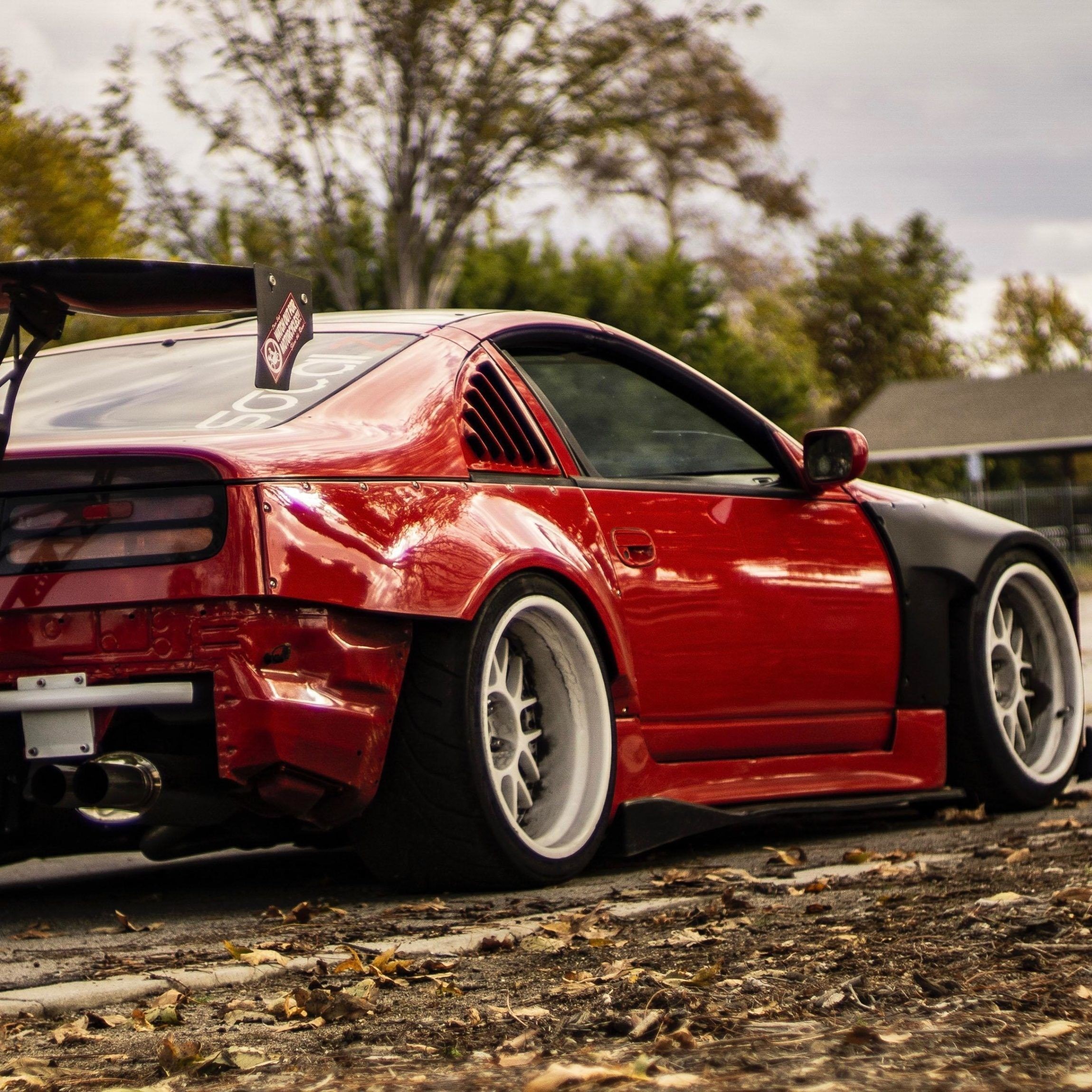
Even decades after production ended, the 300ZX 2+2 enjoys strong aftermarket support. Tuners frequently modify these cars for increased horsepower and visual impact. Popular upgrades include cold air intakes, upgraded intercoolers, and performance exhausts. Each change enhances breathing and engine efficiency.
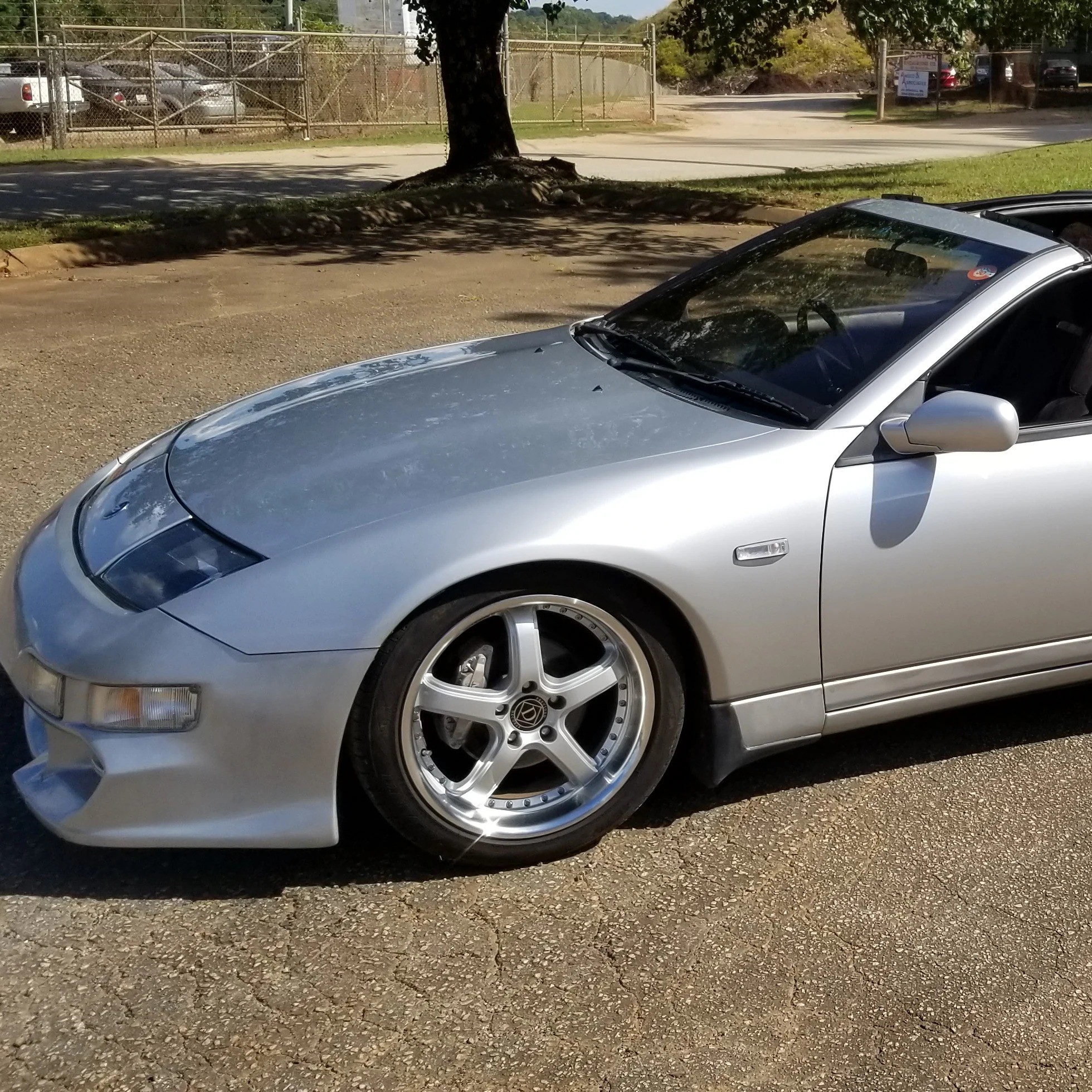
Body kits transform the already striking shape into something even bolder. Wide fenders, rear spoilers, and custom bumpers add presence. Meanwhile, suspension lowering kits improve stance and reduce center of gravity. Wheel choices vary widely, allowing personalization in size and finish.
Interior mods range from modern infotainment systems to racing seats. Some owners retrofit digital gauges or Bluetooth connectivity. Others focus on preserving originality while improving reliability. Regardless of approach, parts remain accessible through specialty shops and online communities. This ongoing support helps keep the 300ZX 2+2 relevant today.
 Ownership Experience: Living with a 300ZX2+2 Today
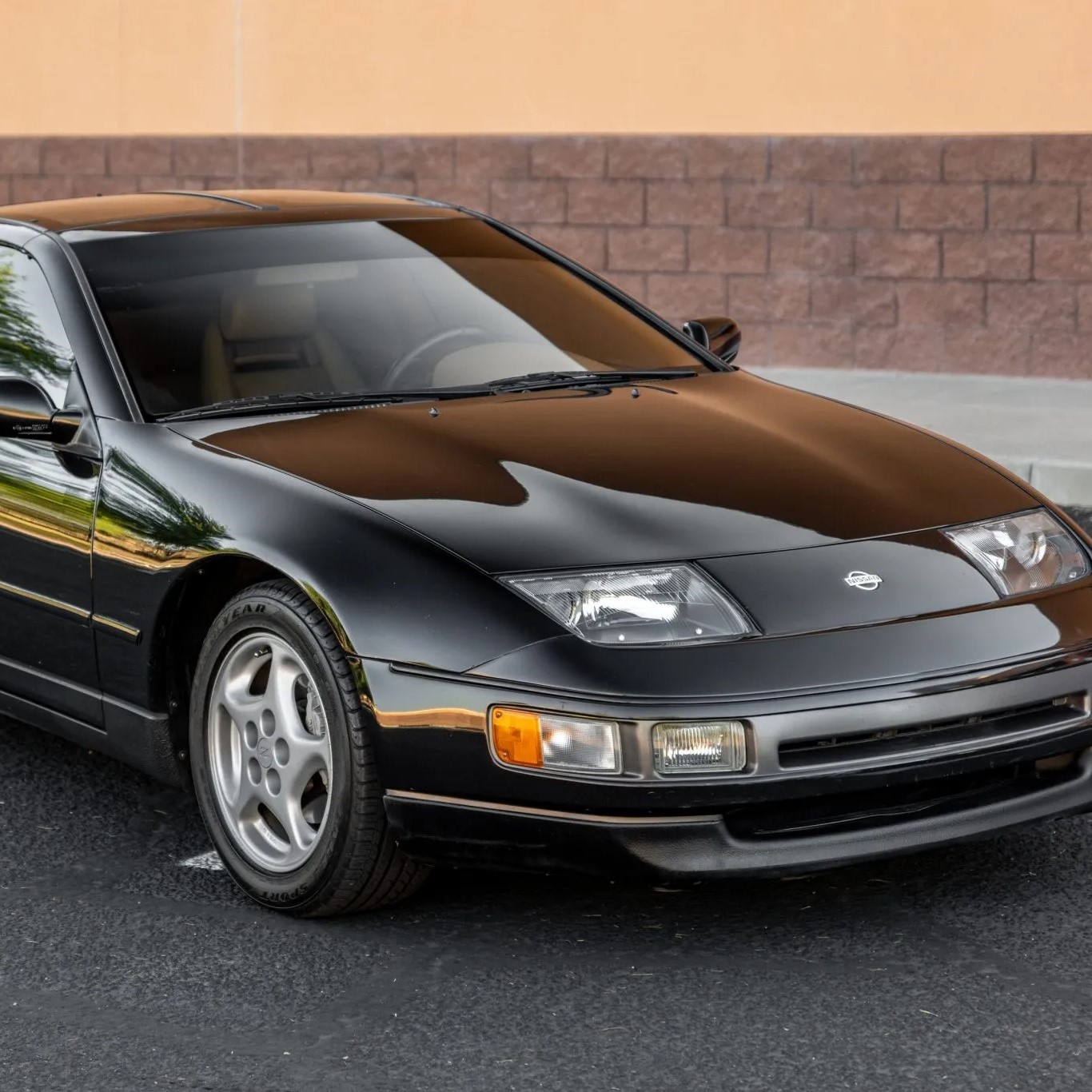
Owning a 300ZX 2+2 today brings joy but also requires commitment. Finding a clean, rust-free example takes effort. Moisture can affect floor pans and rocker panels over time. Therefore, inspecting the undercarriage is essential before purchase.
Once acquired, maintenance becomes part of the ownership experience. Routine services include checking turbocharger health and coolant levels. Replacing aged rubber hoses and electrical connectors prevents breakdowns. Many parts are still manufactured or remanufactured, which helps reliability.
Driving the 300ZX 2+2 feels nostalgic yet satisfying. The engine note, smooth shifter action, and confident grip make every outing memorable. Fuel economy is moderate, so frequent refueling may be needed. Still, the emotional connection outweighs minor drawbacks for most fans. Ultimately, caring for a 300ZX 2+2 rewards patience and passion.
Common Issues and Maintenance Tips for Long-Term 300ZX 2+2 Care
Like any older vehicle, the 300ZX 2+2 has known weaknesses. One common issue involves the pop-up headlights. Their motors wear out or seize due to exposure and age. Regular cleaning and lubrication help prevent failure.
Another concern is the ECU or engine control unit. Older circuit boards may develop solder cracks. Symptoms include stalling or rough idling. Reflowing connections or upgrading to modern replacements resolves this.
Coolant leaks around the intake manifold are also reported. Gaskets degrade over time, especially if fluid isn’t changed regularly. Addressing them early avoids overheating damage. Additionally, brake lines should be inspected for corrosion. Replacing them with stainless steel versions increases longevity.
By staying proactive, owners extend the life of their 300ZX 2+2 significantly. Joining owner forums provides valuable insights and troubleshooting advice. With proper care, these cars can run reliably for years.
 Frequently Asked Questions About the 300ZX2+2
Is the 300ZX 2+2 suitable as a daily driver?
Yes, many people use it daily, especially in mild climates. However, winter regions pose challenges due to rust and traction issues.
Are replacement parts hard to find?
No, numerous suppliers stock new, used, and reproduction components. Online marketplaces also offer global shipping options.
How does fuel economy compare to modern cars?
It averages between 17–22 mpg depending on driving style. Turbo models consume more under heavy load.
Can I install modern electronics in a 300ZX 2+2?
Absolutely. Many owners upgrade stereos, add backup cameras, or install GPS navigation seamlessly.
Does the 300ZX 2+2 hold its value well?
Well-preserved examples appreciate slowly. Rare colors and low mileage boost resale potential.
 Final Thoughts on the Enduring Legacy of the 300ZX2+2
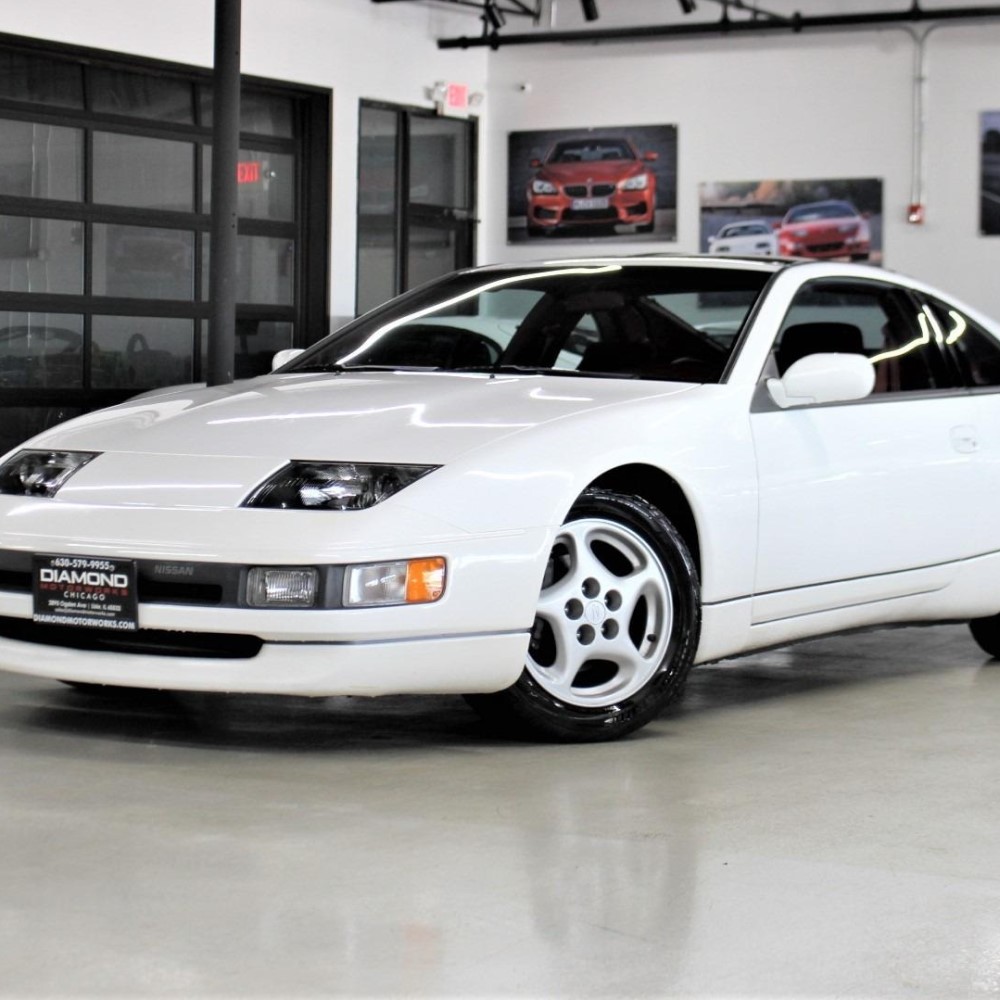
The 300ZX 2+2 represents a golden era of Japanese automotive engineering. It combined cutting-edge technology with bold design and real-world usability. Unlike track-focused machines, it welcomed passengers and luggage without compromise.
Today, interest in classic JDM cars continues to grow. Within that movement, the 300 ZX 2+2 holds a special status. Its blend of elegance, performance, and innovation remains unmatched. Whether restored or modified, each model tells a story of passion and craftsmanship.
For anyone seeking a meaningful connection to automotive history, the 300 ZX 2+2 delivers. It proves that speed and sophistication can coexist. As time passes, its reputation only strengthens. Ultimately, the 300ZX 2+2 deserves recognition as a true icon.