



Vented Tumble Dryer vs. Other Types: Which Is Best for You?
Understanding How a Vented Tumble Dryer Works
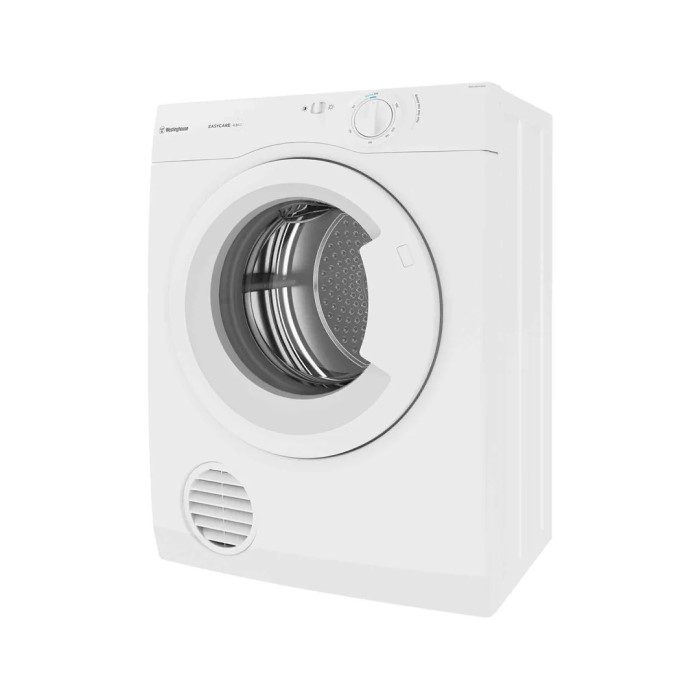
Many homeowners seek efficient ways to dry their laundry. The technology behind drying clothes has evolved over the years. However, traditional methods remain highly effective for many households. A vented tumble dryer operates on a fundamentally simple principle. It draws in fresh air from the surrounding room. Then, it heats this air to a high temperature. The hot air circulates through the rotating drum. Consequently, the heat absorbs moisture from the wet clothes. This process turns the water into steam.
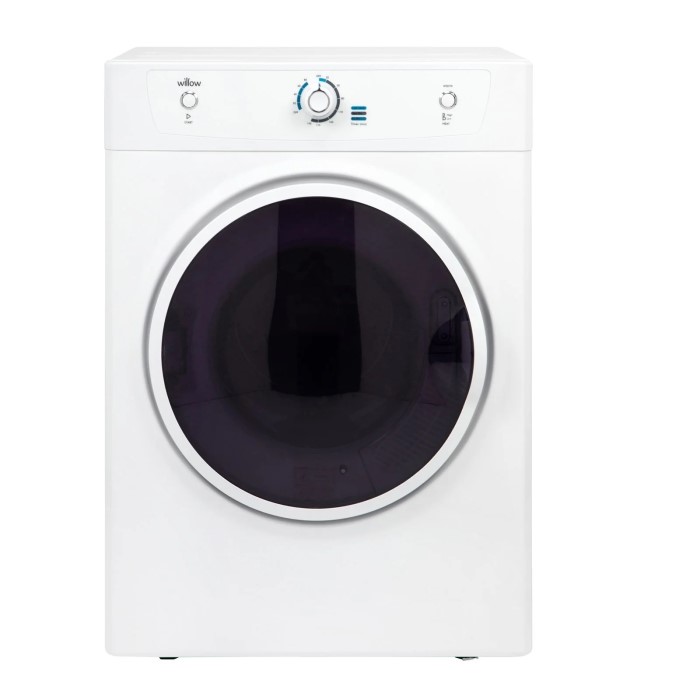
The machine then expels this moist air out of the house. This expulsion happens through a dedicated hose or vent. Therefore, the appliance requires a connection to the outside world. This design is distinct because it does not recycle the air. Instead, it constantly refreshes the air supply. This straightforward mechanism offers specific advantages. For instance, it generally dries clothes faster than other types. Furthermore, the engineering is less complex than its counterparts. As a result, there are fewer parts that might break down. Understanding this basic operation is crucial. It helps consumers appreciate the specific needs of this appliance. You must consider where the hot air will go. Without a proper exit route, the machine cannot function correctly. This necessity defines the user experience significantly.
Comparing Energy Efficiency and Running Costs
Energy consumption is a major concern for modern consumers. Everyone wants to save on electricity bills. When comparing dryer types, efficiency varies significantly. A vented tumble dryer has historically been considered less efficient. This is because it generates heat and then discards it. The energy used to heat the air is lost once the air leaves the vent. Consequently, this can lead to higher operational costs over time. However, modern technology has improved this scenario somewhat. Newer models often feature better sensors.
These sensors detect when the clothes are actually dry. Therefore, the machine stops automatically. This prevents unnecessary energy usage. In contrast, heat pump dryers recycle hot air. They are much more energy-efficient. However, they take longer to dry a load. Thus, you must weigh time against cost. Furthermore, the initial purchase price of vented models is often lower. Therefore, the upfront investment is smaller. You might pay more per cycle, but you save at the register. Additionally, the simplicity of the motor means maintenance costs are often lower. Ultimately, the “best” efficiency depends on your usage habits. If you dry laundry frequently, the energy costs might add up. But for occasional use, the lower purchase price is a clear benefit.
Installation Requirements and Spatial Planning
Placement is a critical factor when choosing any appliance. A vented tumble dryer imposes specific spatial restrictions. It must be situated near an external wall or window. This is essential for the venting hose. The hose is typically bulky and rigid. Consequently, you cannot easily hide it in a cabinet. You must plan the laundry room layout around this requirement. Furthermore, the wall needs a hole for the vent kit. This installation process might require professional help. Therefore, renters might find this option difficult.
Landlords often prohibit drilling large holes in walls. On the other hand, condenser dryers offer more flexibility. They do not require an external vent. Thus, you can place them in a cupboard or a room without windows. This difference is a major selling point for many users. However, vented models have a distinct advantage regarding humidity. Because the moist air leaves the house, the room stays dry. Condenser models release some moisture into the surrounding air. Consequently, the laundry room can become damp. This can lead to mold or mildew issues over time. Therefore, if you have the facility to vent, the air quality in your home remains better. Proper installation ensures the machine works efficiently and safely.
Drying Performance and Fabric Care
The primary goal of any dryer is to dry clothes effectively. Performance is non-negotiable for most families. A vented tumble dryer excels in raw drying power. The high temperatures it generates are effective for bulky items. For instance, towels and bedding dry quickly and thoroughly. The high heat creates a very dry environment inside the drum. Consequently, moisture evaporates rapidly from the fabric. This speed is a significant benefit for large households. You can cycle through multiple loads in a short period.
However, the high heat can be a disadvantage for delicate fabrics. Therefore, users must be careful with settings. Modern units come with various heat settings to mitigate this risk. Synthetics and wool require lower temperatures. In comparison, heat pump dryers operate at much lower temperatures. They are gentler on clothes by default. This extends the lifespan of delicate garments. Yet, the drying time is nearly double. Thus, the trade-off is between speed and fabric care. If you primarily dry sturdy items like jeans and cottons, a vented model is ideal. It provides a crisp, dry feel that many people love. The performance is consistent and reliable regardless of the load size.
Maintenance and Long-Term Durability
Appliances represent a significant investment. Therefore, longevity is a key consideration. A vented tumble dryer is mechanically simpler than other types. It lacks the complex condenser unit or heat pump system found in rivals. Consequently, there are fewer components that can fail. This simplicity often translates to a longer lifespan. The primary maintenance task involves cleaning the lint filter. Users must remove lint after every cycle. This ensures optimal airflow and prevents fire hazards.
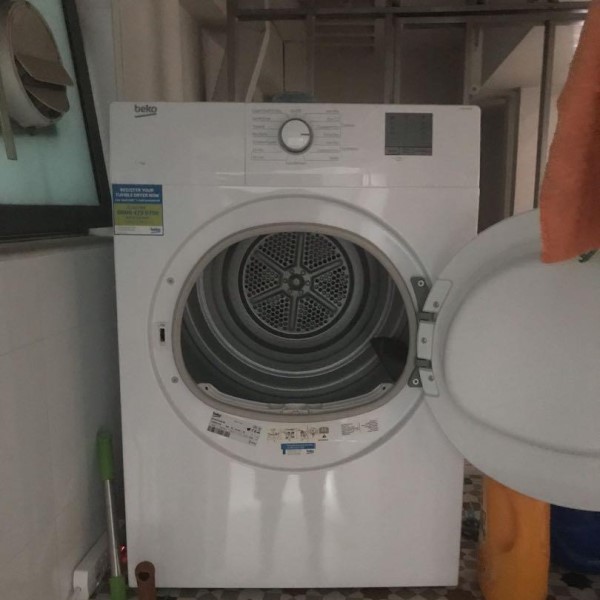
Additionally, the vent hose requires occasional inspection. Blockages can occur in the ducting. If the air cannot escape, the dryer overheats. This safety mechanism is standard, but blockages reduce efficiency. In contrast, condenser dryers require more rigorous cleaning. The condenser unit itself needs regular washing. If neglected, it clogs and stops working effectively. Therefore, the vented model is often easier to maintain for busy people. You simply clear the filter and check the hose occasionally. The robust construction of many vented models also stands the test of time. They are built for function rather than complex features. For users who prefer a “set it and forget it” approach, the durability of vented dryers is appealing.
Comparing Noise Levels in Your Home
Noise pollution is an often overlooked aspect of laundry. Laundry rooms are often near living areas. Therefore, the sound of a running machine matters. A vented tumble dryer produces noise from two main sources. The motor rotates the drum, and the fan expels air. Consequently, the noise level can be moderate to high. The sound of rushing air through the vent is constant. However, modern insulation has improved this significantly. Many models now feature “quiet” modes or better cabinet insulation.
In comparison, heat pump dryers use a compressor. This hum can be low-pitched and constant. Condenser dryers also have fans but no external venting noise. Thus, vented models can sometimes feel louder due to the airflow. However, the noise often blends into the background of a busy home. If your laundry room is in a garage or basement, sound is less critical. But for apartments or open-plan living, it becomes a factor. It is advisable to check the decibel (dB) rating before purchase. A lower rating indicates a quieter machine. Proper installation of the vent hose also reduces rattling vibrations. Securing the hose tightly prevents unnecessary noise during the spin cycle.
The Environmental Impact of Vented Models
Sustainability is a growing priority globally. Consumers are more eco-conscious than ever before. The environmental impact of a vented tumble dryer is a valid concern. These models have historically been less eco-friendly. They consume more electricity per cycle than heat pump models. Furthermore, they release hot air into the atmosphere. While this is not harmful pollution, it is wasted energy. Consequently, many governments are pushing for stricter energy ratings. This has led to a shift in the market.
Manufacturers are focusing more on heat pump technology. However, that does not mean vented dryers are obsolete. Using them responsibly can mitigate the impact. For example, drying full loads rather than partial ones saves energy. Additionally, using the sensor dry feature prevents over-drying. This reduces the carbon footprint of each cycle. Furthermore, the manufacturing process of heat pump dryers involves more resources. Their complex components have a higher production footprint. Therefore, a durable vented dryer might balance out over its long life. Consumers must balance immediate energy use with long-term durability. Making an informed choice helps reduce the overall environmental footprint.
Future-Proofing Your Laundry Room
Technology changes rapidly in the appliance sector. Smart features are becoming standard in many homes. Newer dryer models connect to Wi-Fi and smartphones. A vented tumble dryer can include these features too. Many modern vented models offer smart connectivity. They alert you when a cycle is finished. Furthermore, you can troubleshoot issues via an app. This integration makes the appliance convenient for modern lifestyles. However, the trend is shifting towards closed-loop systems.
These systems recycle heat and do not require venting. Therefore, the availability of vented models might decrease in the future. This is an important consideration for long-term planning. If you plan to renovate your laundry room, consider the infrastructure. Installing a vent now limits your options later if vented models become rare. Conversely, installing a condenser-compatible setup keeps options open. Yet, the simplicity of the vented design is timeless. It remains the most effective way to remove moisture quickly. As long as speed and simplicity are valued, these machines will have a place. Choosing a model with smart features ensures you stay connected to current tech trends.
FAQ: Common Questions Answered
Many consumers have specific questions before purchasing. Here are answers to the most frequently asked questions regarding this appliance.
Why are vented tumble dryers being discontinued?
They are not being discontinued entirely, but their popularity is waning. Strict energy efficiency regulations in some regions favor heat pump models. Consequently, manufacturers are producing fewer vented units. However, they remain available due to their lower cost and fast drying times.
Which is better, vented or condenser tumble dryer?
A vented model is better for speed and lower initial cost. A condenser model is better for flexibility and installation. If you have an external vent, the vented dryer often performs better. However, if you cannot drill a hole, a condenser is the superior choice.
What is a vent tumble dryer?
This is simply another name for a vented tumble dryer. It refers to the appliance’s need to vent hot air outdoors. The terms are interchangeable in most retail environments.
What are the disadvantages of a vented tumble dryer?
The main disadvantage is the installation requirement. You must place it near an external wall. Furthermore, it generally uses more energy than heat pump models. The requirement for a hose can also make placement difficult in some homes.
Conclusion
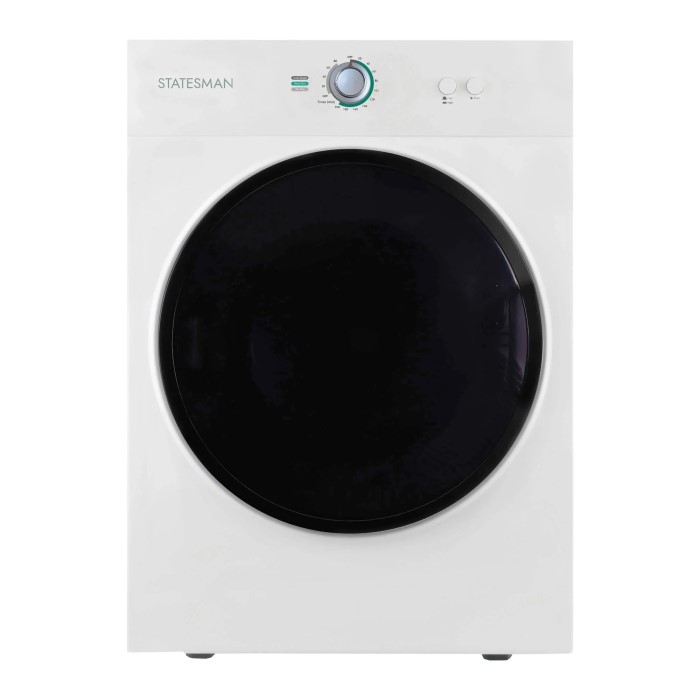
Choosing the right appliance requires careful thought. You must weigh the pros and cons of each system. The vented tumble dryer remains a strong contender in the market. It offers speed, simplicity, and effective drying results. While it requires specific installation, the benefits often outweigh the constraints. For those who can install a vent, this model provides reliable service. It handles large loads with ease. Furthermore, the lower purchase price appeals to budget-conscious buyers. As you decide, consider your laundry habits and home layout. If speed and value are your priorities, the vented model is an excellent choice. It stands as a testament to effective, straightforward engineering in a high-tech world.